

Where Are You Today?
I Was Hurt in a Single Workplace Accident
Falls, lifting injuries, machinery accidents, vehicle collisions, and other unexpected workplace accidents frequently qualify for Kentucky workers' compensation benefits. If you were injured while performing your job duties, you may be entitled to medical treatment, disability benefits, and other protections provided under Kentucky law.
My Injury Developed Over Time
Many workers' compensation claims do not result from a single accident. Repetitive lifting, repeated motions, constant kneeling, vibration, or years of physical labor can lead to injuries that develop gradually. Repetitive stress injuries and many occupational illnesses may also qualify for workers' compensation benefits.
My Employer Says My Injury Isn't Work Related
A claim does not become invalid simply because an employer or insurance company disputes it. Questions regarding pre-existing conditions, when an injury occurred, or whether repetitive work caused the condition are among the most common issues in Kentucky workers' compensation claims. An experienced attorney can help evaluate your rights and the evidence supporting your claim.
I'm Not Sure Whether I Have a Workers' Compensation Claim
Many injured workers simply are not sure whether their injury qualifies under Kentucky law. If you have questions about a workplace injury, repetitive stress condition, or occupational illness, speaking with an experienced workers' compensation attorney can help you understand your options before important deadlines pass.
Understanding Common Workplace Injuries
Workplace injuries are not limited to one type of accident or one part of the body. Some involve a sudden injury. Others develop gradually through repetitive work, lifting, bending, kneeling, reaching, vibration, or exposure to unsafe conditions. The sections below explain several of the most common injuries that may lead to Kentucky workers’ compensation claims.
 Back and Neck Injuries
“I Blew Out My Back”
Back and neck injuries are among the most common workplace injuries in Kentucky. Heavy lifting, repeated bending, twisting, falls, and physically demanding work can damage muscles, ligaments, spinal discs, and nerves. These injuries frequently affect workers in construction, manufacturing, warehouses, transportation, healthcare, and other occupations requiring repetitive physical labor.
Back injuries are also among the most frequently disputed workers’ compensation claims—not because they are not real, but because employers and insurance companies often question when, where, or how the injury occurred. Early medical treatment, proper documentation, and experienced legal guidance can help protect both your health and your claim.
 Shoulder Injuries
“My Shoulder Has Never Been the Same Since That Lift”
Shoulder injuries often result from lifting heavy objects, repetitive overhead work, repeated reaching, pulling, or sudden accidents. Rotator cuff tears, labral injuries, strains, and tendon damage are common among construction workers, healthcare professionals, warehouse employees, mechanics, and manufacturing workers whose jobs place repeated stress on the shoulder.
Because shoulder injuries may develop gradually or worsen over time, employers and insurance companies sometimes argue they are unrelated to work or caused by ordinary aging. Understanding how and when the injury developed—and obtaining prompt medical evaluation—can be important to protecting your workers’ compensation claim.
 Hand, Finger, Wrist, and Arm Injuries
“My Hands Hurt Every Day”
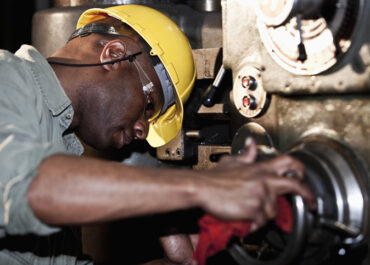
Workers frequently injure their hands, fingers, wrists, and arms through repetitive motion, machine operation, lifting, vibration, falls, and other workplace accidents. Carpal tunnel syndrome, tendonitis, crush injuries, fractures, nerve damage, deep lacerations, and traumatic hand injuries are common in manufacturing, construction, healthcare, warehousing, food service, and many other occupations.
Some injuries occur in an instant. Others develop gradually after months or years of repetitive work. Whether your injury involves chronic pain, numbness, loss of strength, reduced dexterity, or a serious wound that permanently affects the use of your hand or arm, you may be entitled to Kentucky workers’ compensation benefits. Jennings Law Offices has represented workers suffering from both repetitive stress injuries and catastrophic hand and upper-extremity injuries that permanently changed their ability to work.
Knee, Hip, Leg, Ankle, and Foot Injuries
“My Knee Gave Out”
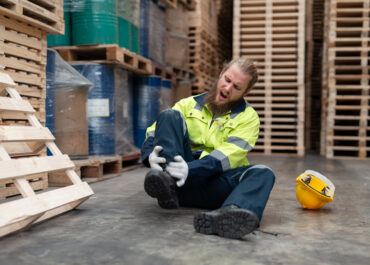
Knee, hip, leg, ankle, and foot injuries are common among workers who spend long hours lifting, climbing, walking, carrying heavy loads, or working on uneven surfaces. Falls, ladder accidents, slips, repetitive kneeling, twisting injuries, and physically demanding work frequently result in torn ligaments, meniscus injuries, fractures, hip injuries, ankle sprains, foot injuries, and other conditions affecting mobility. These injuries are especially common in construction, warehousing, manufacturing, delivery services, healthcare, landscaping, and other physically demanding occupations.
Many lower-extremity injuries make it difficult—or impossible—to safely return to work. Even injuries that initially appear minor can lead to ongoing pain, reduced mobility, permanent work restrictions, or the need for surgery. When a workplace injury affects your ability to stand, walk, climb, kneel, or perform the physical requirements of your job, understanding your workers’ compensation rights early can help protect both your recovery and your financial future.
 Head and Brain Injuries
“I Slipped and Hit My Head”
Head injuries can occur in an instant when a worker slips, falls, is struck by falling objects, or is involved in a workplace accident. Even injuries that appear minor at first can result in concussions, traumatic brain injuries, dizziness, headaches, memory problems, vision changes, or difficulties with concentration. These injuries occur across nearly every industry but are especially common in construction, manufacturing, transportation, warehousing, and jobs involving heights or heavy equipment.
Unlike many other workplace injuries, the full effects of a head injury may not become apparent immediately. Symptoms sometimes develop hours or even days after an accident, making prompt medical evaluation especially important. If you struck your head at work or begin experiencing headaches, confusion, balance problems, or other neurological symptoms following a workplace accident, seeking medical care promptly can help protect both your health and your workers’ compensation claim.
 Burns, Electrical, and Traumatic Injuries
“I Was Seriously Hurt at Work”
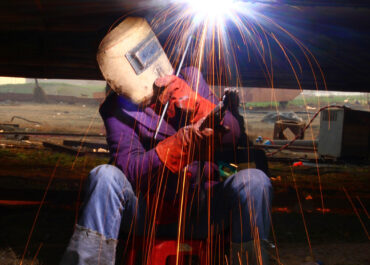
Some workplace accidents result in severe injuries that require immediate emergency medical treatment and may permanently affect a person’s health, mobility, or ability to work. Burns, electrical injuries, crush injuries, amputations, severe lacerations, eye injuries, and other traumatic workplace accidents are often associated with construction, manufacturing, industrial facilities, restaurants, utility work, chemical exposure, and heavy equipment operations.
Catastrophic workplace injuries frequently involve extensive medical treatment, surgery, rehabilitation, permanent disability, and significant time away from work. When an injury has long-term physical, emotional, or financial consequences, or results in a loss of life, it is important to understand the full workers’ compensation benefits available under Kentucky law and to ensure your rights and valid claim are protected throughout the claims process.
 Occupational Diseases and Exposure-Related Conditions
“I Think Years of My Job Caused This”
Not every work-related injury happens because of a single accident. Some workers develop serious medical conditions after months or years of exposure to hazardous substances, excessive noise, dust, chemicals, repetitive vibration, or other dangerous workplace conditions. Occupational diseases may include respiratory illnesses, hearing loss, skin disorders, chemical-related injuries, and other conditions directly related to the work environment.
Because occupational diseases often develop gradually, workers may not immediately realize their condition is work-related. Determining when symptoms began, identifying workplace exposure, and obtaining appropriate medical documentation are often critical to establishing a successful Kentucky workers’ compensation claim. If you believe your work environment contributed to your illness or medical condition, it is important to understand your rights before important deadlines pass.
Repetitive Stress Injuries
“My Hands Keep Going Numb”
Many workers’ compensation claims develop gradually rather than resulting from a single workplace accident. Repetitive lifting, constant gripping, assembly line work, keyboard use, vibrating tools, repeated bending, kneeling, reaching, and other repetitive job duties can place continuous stress on muscles, tendons, joints, and nerves. Conditions such as carpal tunnel syndrome, tendonitis, bursitis, and other repetitive stress injuries are common in manufacturing, healthcare, construction, transportation, warehouse operations, office environments, and many other occupations.
Because repetitive stress injuries develop over weeks, months, or even years, many workers assume the pain is simply part of getting older or doing a physically demanding job. In reality, many repetitive stress injuries qualify for Kentucky workers’ compensation benefits when they are caused or significantly contributed to by your work activities. If your symptoms developed gradually rather than after a single accident, learn more about Kentucky Workers’ Compensation for Carpal Tunnel Syndrome and Repetitive Stress Injuries.

Contact an Experienced Workers Compensation Attorney
Have you been injured at work? The most common types of work related injuries are listed above, but there are too many ways you can be injured at work or on a jobsite to list. You may be facing a temporary or permanent disability and it is important to understand your rights and the compensation you are entitled to receive.
We invite you to review the recommendations of our clients and contact the Jennings Law Offices or call (502) 583-3882 for a free consultation and case evaluation. Ched Jennings served as a Commissioner of the Kentucky Department of Workers’ Claims. Our firm brings decades of experience and expertise to your case.
Hablamos Español

How Did Your Workplace Injury Happen?
Every workplace injury has a story. Some happen in an instant. Others develop gradually over months or years. Understanding how an injury occurred can help determine the evidence needed to support your Kentucky workers’ compensation claim. Below are several of the most common ways injured workers are hurt on the job.
Repetitive Motion
Not every workplace injury occurs in a single accident. Repetitive motion over weeks, months, or years can cause painful conditions affecting the neck, shoulders, arms, elbows, wrists, hands, back, knees, and even your vision. Carpal tunnel syndrome is one of the best-known repetitive stress injuries, but tendonitis, bursitis, nerve compression, and chronic joint injuries are also common among workers whose jobs require repeated lifting, gripping, reaching, kneeling, typing, or operating vibrating tools.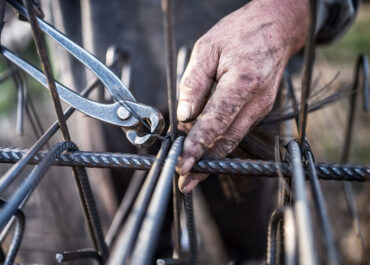
Common Repetitive Motion Injuries include:
- Carpal tunnel syndrome
- Tendonitis
- Bursitis
- Trigger finger
- Cubital tunnel syndrome
- Nerve compression injuries
- Chronic muscle and joint injuries
Because these injuries develop gradually, many workers assume the pain is simply part of getting older or working in a physically demanding occupation. In reality, repetitive stress injuries may qualify for Kentucky workers’ compensation benefits when they are caused or significantly contributed to by your work activities. Learn more about Kentucky Workers’ Compensation for Carpal Tunnel Syndrome and Repetitive Stress Injuries.
Machine Injuries
Workers in manufacturing, fabrication shops, warehouses, food processing facilities, and other production environments face daily risks while operating machinery and equipment. Crush injuries, amputations, deep lacerations, fractures, and other serious injuries can occur in an instant when machinery malfunctions, safety guards fail, equipment is improperly maintained, or established workplace safety procedures are not followed.
 Common Machine Injuries Include:
- Crush injuries
- Amputations
- Deep cuts and lacerations
- Finger and hand injuries
- Fractures and broken bones
- Eye injuries
- Nerve damage
- Loss of function or permanent disability
Machine-related injuries are often severe and may require emergency medical treatment, surgery, rehabilitation, or result in permanent disability. If you were injured while operating machinery or working near industrial equipment, you may be entitled to Kentucky workers’ compensation benefits regardless of who caused the accident.
Overextension and Heavy Lifting
Overextension injuries are among the most common workplace injuries in Kentucky. They often occur while lifting, lowering, carrying, pushing, pulling, reaching, or moving heavy materials. Warehouse workers, healthcare professionals, delivery drivers, construction workers, manufacturing employees, and many others suffer these injuries every day while simply performing the physical demands of their jobs.
Common Overextension Injuries Include:

- Herniated or bulging discs
- Back and neck strains
- Torn muscles
- Sprains and ligament injuries
- Tendon injuries
- Rotator cuff injuries
- Knee injuries caused by twisting or lifting
- Shoulder strains
- Hip injuries
Many workers hear or feel something “pop” while lifting or moving an object and immediately experience pain. Others notice symptoms that worsen over the next several hours or days. Regardless of how the injury develops, overextension injuries may qualify for Kentucky workers’ compensation benefits when they occur while performing your job duties. Prompt medical evaluation and proper documentation can be important to protecting your claim.
Slip, Trip and Fall
Slip, trip, and fall accidents can happen in almost any workplace. Wet floors, uneven walking surfaces, loose cords, poor lighting, icy sidewalks, debris, and cluttered work areas all increase the risk of serious injury. While some falls result in relatively minor injuries, many workers experience fractures, torn ligaments, head injuries, or significant back injuries that require extensive medical treatment and time away from work.
Common Slip, Trip and Fall Injuries Include:

- Broken bones
- Torn ligaments
- Hip injuries
- Back injuries
- Head injuries
- Wrist fractures
Even what appears to be a relatively minor fall can lead to long-term pain or permanent physical limitations. If your injury occurred while performing your job duties, it may qualify for Kentucky workers’ compensation benefits. Seeking prompt medical care and reporting the accident as soon as possible can help protect both your health and your claim.
Falls From Heights
Falls from ladders, scaffolding, roofs, elevated platforms, and other raised work areas are among the most serious workplace accidents. These injuries frequently occur in construction, roofing, warehouse operations, manufacturing, maintenance, and utility work, but they can happen anywhere employees are required to work above ground level.
Serious Injuries Often Include:
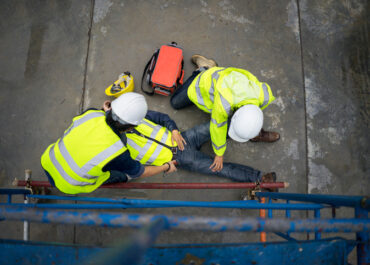 Traumatic brain injuries
- Spinal cord injuries
- Pelvic fractures
- Internal injuries
- Permanent disabilities
Falls from significant heights often result in catastrophic injuries that require surgery, lengthy rehabilitation, and extended time away from work. In some cases, workers are left with permanent physical limitations that affect both their ability to return to work and their daily lives. When these accidents occur in the course of employment, Kentucky workers’ compensation benefits may provide medical treatment, wage replacement, and other benefits available under the law.
Every Workplace Injury Is Different. Your Rights Shouldn’t Depend on Guesswork.
 No two workplace injuries are exactly alike. Two employees may suffer similar injuries while performing the same job, yet their medical treatment, recovery, benefits, and long-term outcomes can be very different. The circumstances surrounding the accident, the medical evidence, the insurance company’s response, and the decisions made during the first days and weeks after the injury can all influence the course of a Kentucky workers’ compensation claim.
If you were injured at work, you do not have to determine on your own whether your injury is “serious enough” or whether your claim will be accepted. An experienced workers’ compensation attorney can evaluate what happened, explain your rights, answer your questions, and help you understand the benefits that may be available under Kentucky law.
Talk With An Experienced Kentucky Workers’ Compensation Attorney
For more than 50 years, Ched Jennings has represented injured workers throughout Kentucky and has earned the trust of workers, families, and numerous labor unions across the Commonwealth. If you have been injured on the job, you can discuss your situation directly with an experienced attorney, understand your options, and receive practical guidance about the next steps.
Contact Jennings Law Offices today or call us at (502) 583-3882 to schedule your free consultation and learn how we may be able to help protect your rights and your future.